

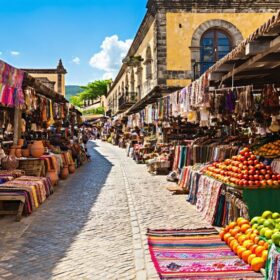

This Egypt travel guide is your first step to explore this amazing country. Think of Egypt as a big door opening to a world full of old stories and cool places. I want to help you with easy tips about visas, the best times to visit, and how to plan your trip so you see Cairo, the Nile, and the ancient temple towns without rushing.
Egypt is more than just the Pyramids and busy markets. You can enjoy relaxing river cruises or find special day trips that aren’t crowded. If you tell me what you want to do first, I can help you make a simple plan that fits your budget and your style.
Let’s start with what excites you the most about Egypt!
Planning Your Egyptian Adventure: When to Go and How Long
If you’re planning a trip to Egypt, timing is everything. The key is to find a good balance. You don’t want to rush through the famous sites like the pyramids and temples, but you also don’t want to spend so much time that you miss other cool places. I’ll help you figure out the best time to go based on the weather and how long your trip should be. This way, you won’t feel rushed or overwhelmed.
The best time to visit Egypt is during the shoulder seasons, spring and fall when the weather is nice and the crowds are smaller. These times are perfect for exploring outdoors without sweating too much or freezing. Peak months, like summer and major holidays, bring lots of tourists and higher prices, so if you want a quieter trip, try to avoid those times.
For a good Egyptian trip, plan about a week. That should give you enough time to see Cairo, Luxor, and go on a Nile cruise. If you want to relax at the Red Sea for a couple of days, that’s a great addition too. If you only have less time, you can still hit the main sights by focusing on the most important ruins and temples.
Navigating Visas, Customs, and Travel Documents
Navigating visas, customs, and travel documents can seem tricky at first, but it’s really just about knowing what you need and when to get it. Don’t worry, I’ll keep it simple so you can avoid delays and surprises. Here’s what you should remember:
- Visa requirements: Check what kind of visa you need and how long you can stay before you pack your bags.
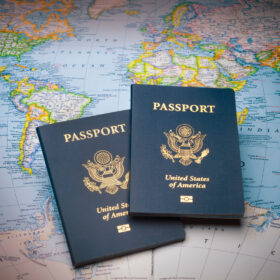
- Passport validity: Make sure your passport is good for at least 6 months after your trip ends.
- E-visa or visa-on-arrival rules: Find out if you can get your visa online or when you arrive, and what fees are involved.
- Customs procedures: Be honest when declaring what you’re bringing into the country, and know the limits.
- Supporting documents: Have your return ticket, hotel info, and travel insurance ready to show if asked.
Getting these things done early makes traveling much easier. Then, you can focus on enjoying your trip instead of stressing over paperwork.
Cairo and Giza: Pyramids, Museums, and City Life
Cairo and Giza are full of amazing things to see and do, especially if you love history and busy city life. When you visit Cairo and Giza, you’ll find the famous pyramids, cool museums, and lively streets. I’ll help you figure out what to see first, where to go, and how to enjoy everything like a local. Whether you’re walking around the pyramids or exploring the markets, Cairo and Giza are places that will make your trip special.
Cairo-Pyramids Overview
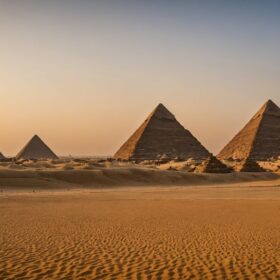
The Pyramids of Giza are the most famous symbol of Cairo’s mix of old and new. They stand tall and proud just a short drive from the busy city center. I want to give you a simple look at these amazing structures, focusing on their history and how they were built, without boring you with too many details.
When you look at Giza’s skyline, you see how these pyramids connect stories from long ago with real stone and craft. The shapes of the pyramids aren’t random, they follow simple, straight lines and perfect angles that were very important to the people who built them. These shapes also remind us of the sun and stars, and some of the meanings behind them are tied to rituals and beliefs.
Inside the pyramids, the layout of hallways and rooms shows that the builders planned carefully. Every corridor and chamber has a purpose, showing how clever and precise ancient engineers were. When visitors see the size of the pyramids, they feel a sense of awe and wonder at how humans, long ago, managed to create such incredible structures.
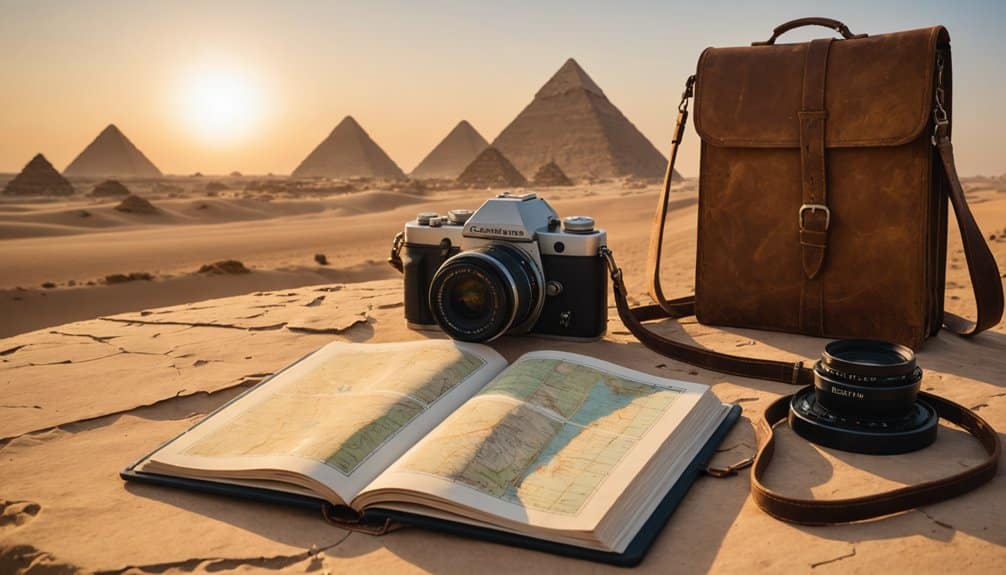
Museums and Artifacts
Museums and artifacts in Cairo and Giza help you see the ancient past of the city. These places mix famous pyramids with interesting collections of old objects that tell real stories about how people used to live, trade, and believe. When you visit, you can see hands-on relics and displays that make history feel close and real. In the Egyptian Museum, old relics are kept in shiny galleries, while Giza’s newer museums focus more on showing how crafts, fabrics, and tools were used in daily life. Look for exhibits that explain how religion and city growth are connected, with clear stories instead of long, complicated tales. You’ll notice a link between huge monuments and small objects, helping you understand how ancient civilizations are connected to today.
City Life Essentials
City life in Cairo and Giza is full of surprises. Pyramids sit right next to busy streets, shops, and people going about their day. It’s a place where history mixes with everyday routines, making it feel very alive. When you walk around, you can feel the pulse of the city. You’ll notice the smell of spices, hear the sounds of people talking and cars honking, and see how everyone keeps moving. I want to share some simple ways you can connect with daily life in Cairo and Giza.
- Local markets are full of bright colors, strong smells of spices, and lots of chatter.
- Street vendors sell small things and tell stories as they call out to passersby.
- Cafés are busy and lively, with people laughing and chatting outside.
- The metro and traffic keep a steady rhythm that sets the pace of the city.
- Museums help keep the city’s culture alive, even in the middle of all the hustle and bustle.
City life in Cairo and Giza is a mix of old and new, noise and calm, making it a place you’ll want to explore and feel part of.
Nile Cruises: Luxor to Aswan and River Realities
Nile Cruises from Luxor to Aswan are a great way to see Egypt and feel the real rhythm of the river. When you’re on the Nile, you’ll notice how the boat moves smoothly with the water, not fighting against it. The journey is full of interesting stops at temples and small villages, where you can hear local voices and see daily life ashore.
On this cruise, you’ll find out how the days go by and what it’s like to live on the river. The pace is relaxed, so you can enjoy the beautiful scenery, the quiet currents, and the stories told by guides or locals. By paying attention to the river’s flow and the little details around you, your Nile cruise from Luxor to Aswan will feel more real and special.
River Route Realities
River cruising along the Nile from Luxor to Aswan is a mix of old traditions and new travel. The journey shows how ships leave on time most days, but sometimes docking can be tricky because of river levels, weather, or how busy the ports are. I’ll share some simple tips and my own experiences about when to travel, what crowds are like, and how life onboard goes. When you’re on a Nile cruise, you get to see the river’s beauty up close.
- Seasonal currents can change the schedule and cause delays
- Ports get busy with vendors selling things and security checks
- Onboard meals often include local flavors and follow a set timetable
- The deck views give you steady, movie-like scenes of the Nile
- Weather can change quickly and affect your plans or how much sun you get
Traveling on the Nile means being flexible and ready for surprises, but it’s a special way to see Egypt’s history and landscape.
Temple Stops & Voices
Temple stops on a Nile cruise from Luxor to Aswan aren’t just about seeing old stones and pretty views, they’re also about hearing voices. You’ll listen to the priests, local guides, and fellow travelers as they ask questions, share stories, and sometimes correct each other. During each stop, I like to look at the ancient writings carved into the walls, trying to understand what they mean. I listen for little legends that people tell about these places. The sacred sites help us feel more connected to the river and the history of Egypt. I point out interesting pictures, carvings, and layouts that show us how people believed, governed, and lived back then. By the end, you’ll feel more connected to the place, calmer, and with a new respect for Egypt’s living history.
Pace on the Nile
Pace on the Nile is all about taking your time and really feeling the river. It’s not just about counting days on deck or looking at long horizons; it’s about how the river shapes your experience from Luxor to Aswan. I want to guide you through the tempo, the light, and the small moments that matter, so you can feel the current rather than just hear it. Every bend in the river gives you a new view, and the crew’s rhythm becomes like a heartbeat you share. You might see Nile wildlife like herons, ibises, or even a hippo passing by, almost as if they’re waiting for you. Taking your time with your camera can be more rewarding than rushing to get the perfect shot. Let’s choose a slow, relaxed pace and watch as the sights and moments on the Nile slowly unfold before you.
The Temples of Luxor, Karnak, Edfu, and Kom Ombo
The Temples of Luxor, Karnak, Edfu, and Kom Ombo are like a quick trip through ancient Egypt. These temples show different sides of the past: Luxor and Karnak have huge, bright entrances with big stone gates, while Edfu and Kom Ombo are smaller and really well kept. As I walk through the stone hallways, I can imagine how the ancient people used to walk there for special ceremonies. Inside, I see tall columns that look like trees and feel the quiet of sacred spaces. The Temples of Luxor, Karnak, Edfu, and Kom Ombo each have their own style, some open and grand, others cozy and focused on worship. They remind us of old rituals and stories, and visiting them feels like stepping back in time for a respectful look at history.
Hidden Gems and Day Trips Beyond the Beaten Path
Hidden gems and day trips beyond the beaten path are a great way to see a different side of Egypt. These places and experiences are not the usual tourist spots. Instead, they show a softer, more personal side of Egypt that you might not see in guidebooks. When you visit these hidden places, you’ll get a real feel for local life, quiet skies, and simple pleasures that stay with you even after sunset.
Some ideas include camping in the desert under a big sky full of stars, far away from crowds. You can explore tiny villages where everyone greets you with a smile. Riding a camel at dawn across peaceful dunes is a peaceful way to start the day. Visiting local markets for breakfast and chatting with vendors helps you see how people live and work. You might also find hidden river valleys where birds sing and fill the air with calm.
These offbeat day trips help you imagine new stories, connect with people, and see Egypt’s gentle, quieter side beyond the famous sights. So, if you want a different experience, try these hidden gems and day trips that show Egypt’s true soul.
Food, Hospitality, and Safe Travel Tips
Traveling in Egypt is all about friendly faces and good food, not just seeing the famous sights. When you go there, you’ll notice that everyone seems welcoming. From breakfast tables to strolling through villages, people will often share small acts of kindness, like offering tea with a smile, inviting you to sit with them, or giving helpful tips for staying safe.
Here are some easy tips to keep in mind: listen to what locals tell you, keep your valuables safe and simple, and be careful when you’re in busy markets. When you want to try Egyptian street food, pick the clean-looking places so you don’t get sick. If someone from a Bedouin tribe invites you for tea or a meal, accept it, this is part of their hospitality. And don’t forget to drink plenty of water, take breaks, and respect local customs so your trip is safe and fun. Traveling in Egypt is about more than sights; it’s about experiencing the warm hospitality and sharing good moments along the way.
Practical Gear, Budgeting, and Packing List
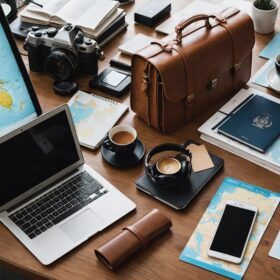
Practical gear, budgeting, and packing list are really important when you’re planning a trip to Egypt. Having the right gear and knowing how to save money can make your trip much easier and more fun. It’s good to know the local money and to get travel insurance so you’re safe if plans change. I’ve kept this list simple but helpful, so you don’t have to pack too much but still bring what you need.
Here are some must-have items:
- a versatile backpack to carry your things easily
- lightweight clothes that cover up, because Egypt can be hot and you want to be respectful
- universal adapters and a power bank so your electronics stay charged
- a small first-aid kit in case you need bandages or medicine
- a clear folder with your important papers like passes, IDs, and insurance info
Frequently Asked Questions
Is tipping customary in Egypt? Yes, it is. When I visit Egypt, I always tip for good service. I usually give small amounts to hotel staff, tour guides, waiters, and drivers. The amount depends on the service and where I am. Sometimes I give a few pounds, sometimes a little more. Tipping is a nice way to say thank you in Egypt, and it’s expected in many places. So, if you go there, don’t forget to tip when you get good service!
Yes, there can be language barriers for people who don’t speak Arabic. But don’t worry too much. I use translation apps to help me talk with others. With a little patience, you’ll be able to get by. I’ve found that translation apps are very helpful for quick and clear conversations. So, even if Arabic is new to you, you can still communicate and make friends.
Photos and selfie sticks in tourist spots are usually safe, but it’s smart to be careful. I always make sure to follow the rules at each place. Some spots don’t allow selfie sticks, so I check first. I try to be quiet and avoid using flash so I don’t bother others. Taking pictures in a respectful way helps keep everyone safe and happy.
Well, vaccines aren’t required to visit Egypt, but it’s a good idea to make sure you’re up-to-date with your regular shots. Also, consider getting travel vaccines like hepatitis A and typhoid to stay safe. Before you go, I always suggest checking with your doctor or clinic to see if you need any special vaccines or health tips. This way, you’ll be ready and feel more comfortable during your trip to Egypt.
When it comes to water safety, I usually say it’s better to buy bottled water instead of drinking tap water. Tap water isn’t always safe everywhere, and you never know if it’s clean enough to drink. It’s simple — bottled water is usually safer and easier, especially when you’re traveling in a new place. Also, think about language barriers — if you don’t speak the language well, it might be hard to ask for safe tap water or understand labels. So, for your health and peace of mind, it’s a good idea to stick with bottled water. Stay safe and enjoy your trip!
Conclusion
Egypt isn’t just a place with old stones and hot sun, it’s a feeling you get in your feet and back. We’ve walked through busy markets, floated on the Nile River, and looked at ancient buildings that seem to glow at sunset. When you visit, pack simple clothes, walk gently, and listen carefully, you might hear stories carried by the wind through ancient temple pillars. When you leave Egypt, take home the smell of spices and the sight of stars above the boats, knowing you’ve experienced something really special. Have a safe trip, fellow explorer.
Recommended Travel Resources
These are my go-to tools for booking flights, stays, and planning smooth travel. I use them because they help me save money, stay flexible, and travel smarter.
- Google Flights — Track flight deals and explore date options easily.
- Skyscanner — Flexible search tool to find the cheapest flight routes.
- KAYAK — Great for alerts, bundles, and comparing airlines.
- momondo — Finds flight prices other search engines may miss.
- Hopper — Predicts flight prices and tells you when to book.
- Booking.com — Hotels and apartments with flexible booking options.
- Expedia — One-stop shop for flights, hotels, and cars.
- Airbnb — Unique stays and long-stay options around the globe.
- Rome2rio — See how to travel anywhere by plane, train, bus, or ferry.
- Agoda — Great hotel deals, especially in Asia.
- Hostelworld — Best site for hostels and social stays.
- TripAdvisor — Reviews and suggestions for hotels, tours, and food.
- Amazon Travel Essentials — Reliable place to shop for luggage, gadgets, and travel essentials.
- Faveplus Travel Tips — Discover stories, guides, and tips from travelers who’ve been there.